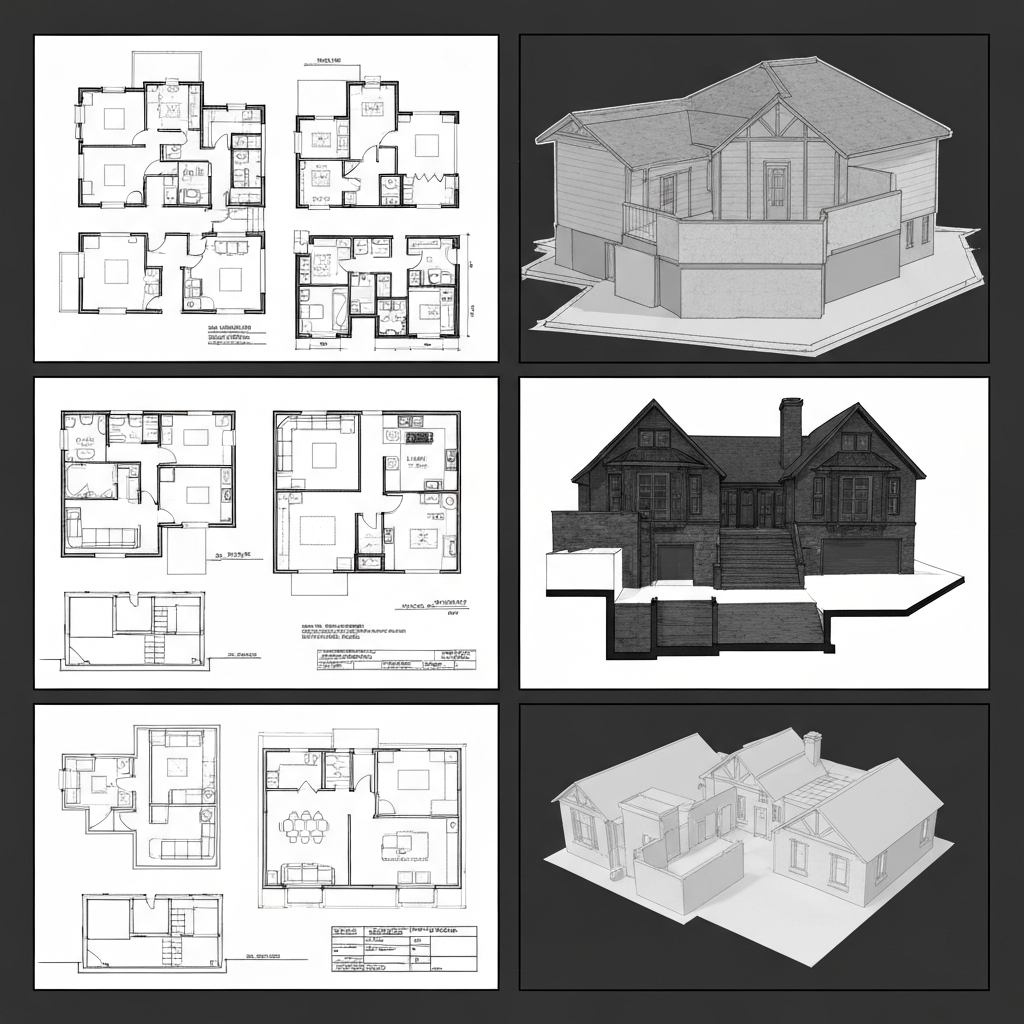
The Challenge of the Old House
Denver is filled with beautiful historic homes—from Washington Park bungalows to Capitol Hill Denver Squares. Remodeling these homes requires a delicate touch. The goal is to bring the plumbing, electrical, and layout into the 21st century while preserving the 19th-century charm.
Common Hidden Issues
When you open the walls of a 100-year-old home, you must be prepared for surprises. Our estimators account for common historic home issues, such as:
- Knob and Tube Wiring: This outdated electrical system must be entirely replaced to meet modern safety codes.
- Galvanized Plumbing: Old pipes that have corroded and narrowed over decades need to be swapped for modern PEX or copper.
- Lath and Plaster Walls: Removing or repairing these walls is significantly more labor-intensive than modern drywall.
- Asbestos and Lead: Professional testing and abatement are often required before major demolition can begin.
Preserving the Character
A successful historic remodel respects the home's origins. We focus on preserving or replicating original details like:
- Restoring original hardwood floors rather than replacing them.
- Matching new trim, baseboards, and crown molding to the original profiles.
- Sourcing period-appropriate hardware and fixtures that offer modern reliability.
- Ensuring any additions (like a pop-top or rear extension) seamlessly match the original brickwork or siding.
Frequently Asked Questions
Do I need special permits for a historic home remodel in Denver?
If your home is in a designated Historic District (like parts of Capitol Hill or Baker), any exterior changes must be approved by the Landmark Preservation Commission, which adds time and strict guidelines to the process.
Is it worth remodeling a 100-year-old home?
Yes. Historic homes offer irreplaceable character and are typically located in highly desirable, established neighborhoods. Updating the systems and layout while preserving the charm often results in a massive increase in property value.